Preloading a ball screw pair involves intentionally introducing internal contact stress between the recirculating steel balls and gothic arch raceways prior to external loading. This is an essential technical procedure in high-precision motion systems to eliminate axial backlash and maximize system rigidity.
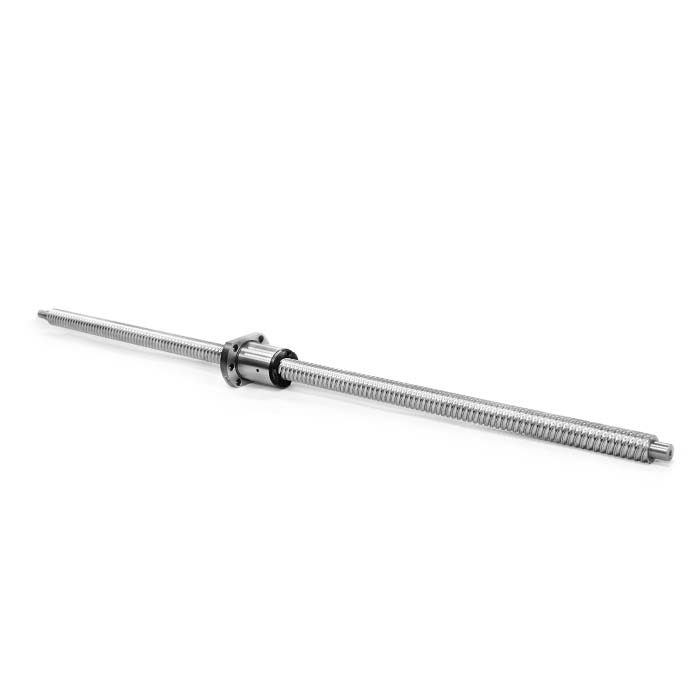
Figure 1: King Square Preloaded Ball Screw Pair for CNC Machine Feeds & Medical Analyzers
1. When Should a Ball Screw be Preloaded?
- When the machine requires high positioning accuracy and zero reverse backlash (e.g. combined with linear guideways in closed-loop servo systems).
- When high axial stiffness is demanded to resist cutting forces or dynamic acceleration inertia.
- When bidirectional repeatability without lost motion is critical (e.g. medical liquid handling stages).
2. Advantages of Preloading
- Eliminates Backlash: Axial clearance is completely removed, resulting in zero dead-zone response upon rotation reversal.
- Enhances Axial Rigidity: Hertzian elastic deformation under external loads is drastically reduced, raising the dynamic stiffness of the drive train.
- Suppresses Resonance & Vibration: Prevents ball micro-impacts during high-speed acceleration/deceleration, enhancing smooth linear motion.
3. Disadvantages & Trade-Offs
- Increased Frictional Torque: Preloading introduces baseline rolling drag torque, slightly increasing drive motor power consumption.
- Heat Generation: Under continuous high-speed operation, internal friction produces heat, necessitating thermal compensation or forced cooling.
- Slight Lifetime Reduction: Internal preloading force adds to the cumulative equivalent dynamic load ($P$). Excessive preload will reduce fatigue life ($L_{10}$). Typically, preload is calibrated between 0.02 C to 0.05 C.