A ball screw is a precision mechanical linear actuator that translates rotational motion into linear motion (or vice versa) with high mechanical efficiency exceeding 90%. Consisting of a threaded screw shaft, nut assembly, recirculating balls, and return deflectors, it replaces sliding friction with rolling motion.
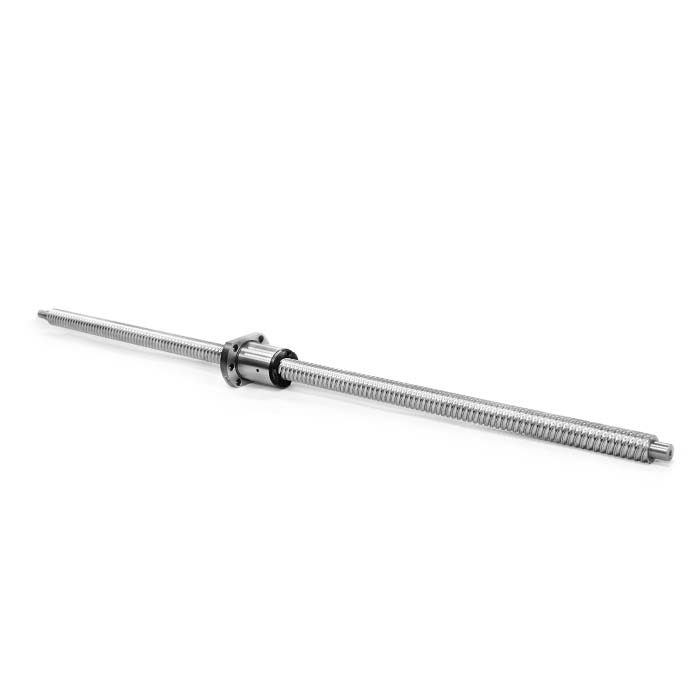
Figure 1: King Square Precision Ground Ball Screw Shaft and Single/Double Nut
1. Key Advantages of Ball Screw Systems
- High Mechanical Efficiency: Operates at 90% to 95% efficiency, reducing drive motor torque requirement to one-third of conventional trapezoidal lead screws.
- Zero Backlash and High Stiffness: Preloading eliminates axial play, providing micron-level positioning repeatability (±0.003 mm).
- No Stick-Slip Phenomenon: Smooth movement even at micro-feed increments (< 0.1 μm), preventing mechanical chatter and positioning overshoot.
- Long Service Life: Super-finished raceways hardened to HRC 58–62 deliver exceptional fatigue resistance.
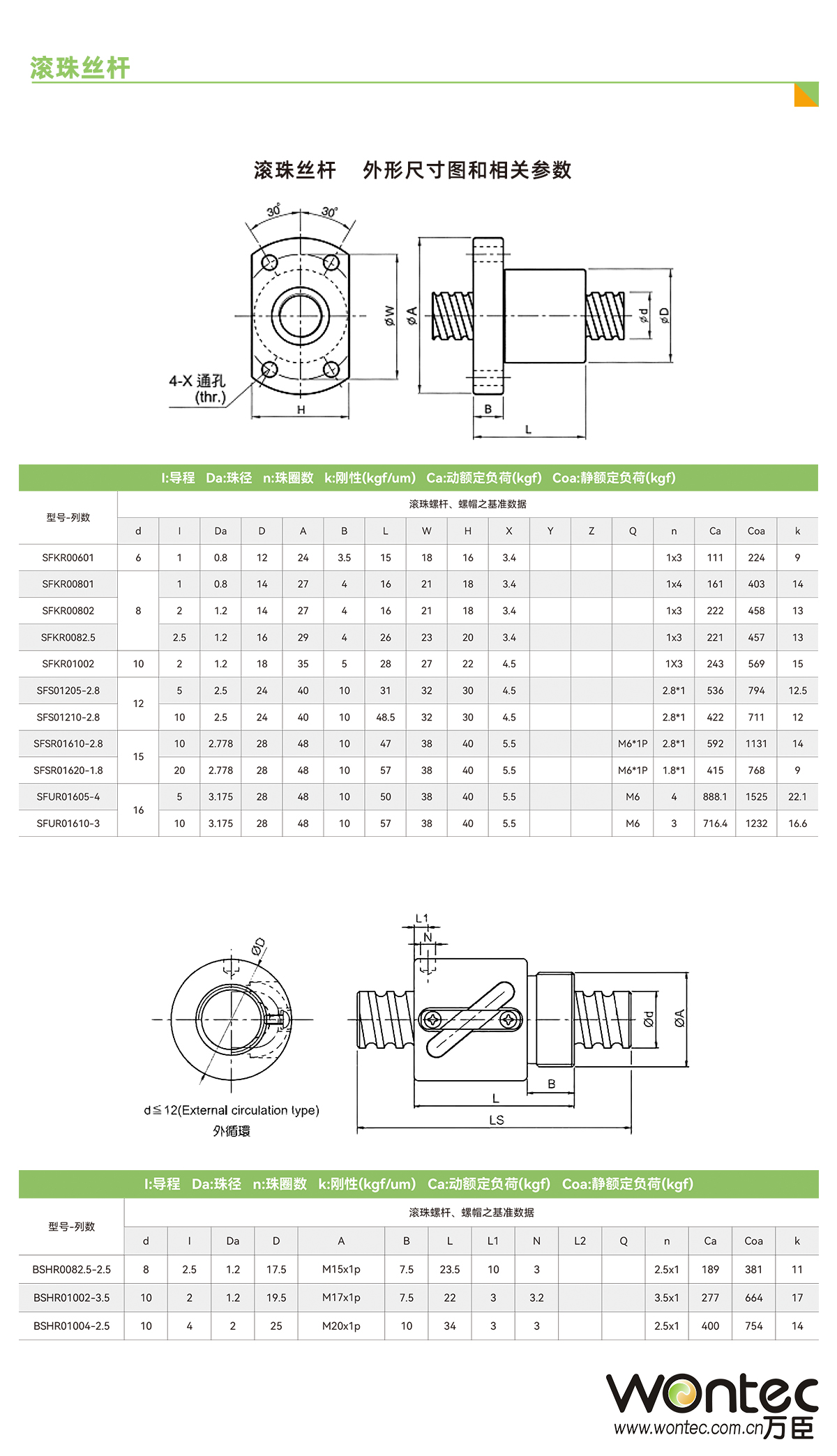
Figure 2: Ball Recirculation System & Preload Configuration
2. Recirculation Circuit Mechanisms
- External Circulation (Return Pipe): Steel balls exit the raceway through a curved guide tube and return to the opposite end. Ideal for large lead angles and heavy loads.
- Internal Circulation (Deflector Button): Steel balls cross over the screw crest through compact floating deflectors embedded in the nut wall. Offers minimum outer nut diameter.
- End-Cap Circulation: Balls return through end caps mounted on both nut faces, designed for high-lead and high-speed linear feeding.
3. Accuracy Grades (ISO / JIS)
| Grade |
Lead Error (μm / 300mm) |
Manufacturing Process |
Application Field |
| C0 / C1 |
±3.5 / ±5 μm |
Ultra-precision CNC grinding |
Optical positioning, semiconductor lithography |
| C3 / C5 |
±8 / ±18 μm |
Precision CNC thread grinding |
Machining centers, medical automation, robotics |
| C7 / C10 |
±50 / ±210 μm |
Precision cold rolling |
General transfer conveyors, packaging, 3D printers |